Business Name:
THE GARLAND PLUMBER
Address:
245 Cedar Sage Dr, Garland, TX 75040
Phone:
(214) 438-6100
Many homeowners assume Whole House Repiping is only necessary after a dramatic burst pipe, so they keep repairing one leak or fixture at a time. That is a sensible instinct, especially when a running toilet or slow drain appears unrelated to low pressure or discoloured water. The Garland Plumber can help separate isolated fixture faults from aging supply lines, corrosion, and failing connections that keep creating new problems.
What matters is the pattern behind the symptoms. Rust-coloured water from several taps, weak flow at the shower and kitchen sink, damp patches beneath walls, or banging pipes can point to restricted or loose piping rather than one bad valve. A repipe replaces deteriorated water lines with new pipe material and properly secured fittings, addressing the source instead of repeatedly patching sections that may fail next.
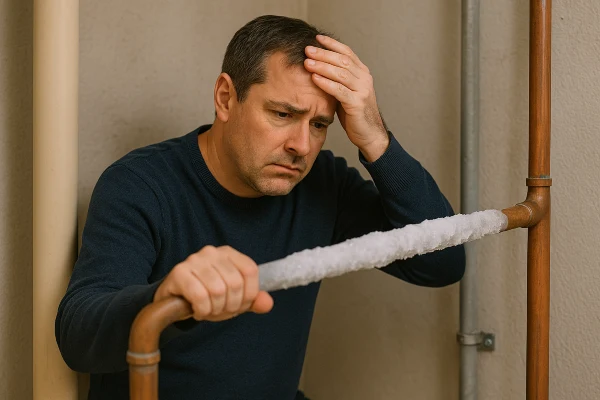

Before hiring for Whole House Repiping in Garland, ask how the contractor will identify which lines need replacement and where new pipes will run. Ask about access through walls, ceilings, cabinets, and the attic, plus how water will be shut off during each phase. A clear answer should explain pipe material, isolation valves, fixture connections, testing procedures, and the plan for protecting floors, countertops, and furniture before tools arrive. Contact Us for a free, no-obligation quote.
Request a written estimate that covers demolition, pipe installation, fittings, permits if required, inspections, wall or ceiling access, and cleanup responsibilities. Clarify what is excluded, particularly drywall repair, paint, tile, or cabinet work. Before you contact anyone, note whether the estimate explains the expected work sequence and testing. A contractor should also discuss water heater connections and how occupants can use toilets and sinks while sections are offline.
Gather any prior plumbing invoices, home inspection notes, water heater information, and photos of stains or discoloured water. Write down which fixtures have low pressure, the rooms where damp patches appear, and the time of day banging pipes is loudest. Include details such as whether the upstairs shower loses hot water after ten minutes or whether a toilet runs overnight. These observations help distinguish a repipe need from Plumbing Leak Repair or a fixture-specific issue.
Clear personal items from beneath sinks, around the water heater, and near access panels, then move fragile furniture away from walls where pipes may be located. Arrange for pets to stay clear of open doors, ladders, and tools. Do not seal damp drywall, paint over water marks, or pour harsh drain chemicals into slow drains before the visit. Those actions can hide the leak path, damage fittings, or make inspection and repair more complicated.
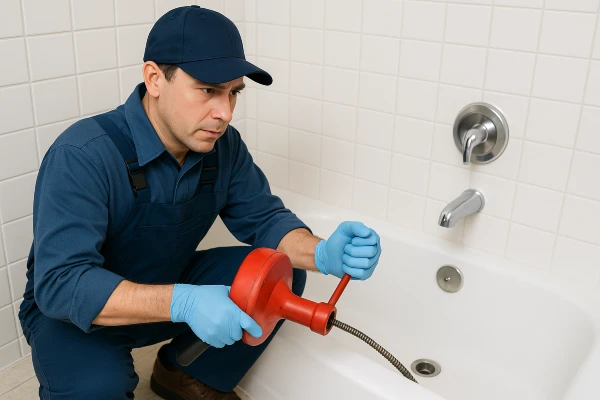
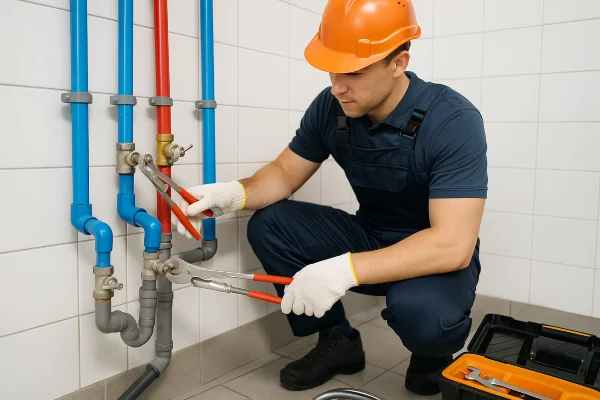
After Whole House Repiping, water from faucets should run clearer, pressure should feel more even between fixtures, and hot water should reach showers without the old restriction from corroded lines. Brief air sputtering at a tap can be normal during the first day as lines finish clearing. You may also notice small drywall access areas awaiting repair. Keep an eye on cabinets, ceilings, and valve connections during the first one to two weeks.
Get back in touch if low pressure returns at several fixtures, water remains discoloured after normal use, or new damp patches appear near a wall or ceiling. Slow drains, running toilets, banging pipes, and no hot water can still involve separate components such as a drain trap, fill valve, pipe strap, or water heater element. Periodically check shutoff valves, repair dripping faucets promptly, and flush water-heater sediment as appropriate to reduce strain on the renewed system.
THE GARLAND PLUMBER
245 Cedar Sage Dr, Garland, TX 75040
(214) 438-6100
Hours of Operation
Open 24 Hours